What Is a Cap Rate in Commercial Real Estate?
Cap rate is a property’s net operating income divided by its price. It compares properties before debt. Cash return and a formal appraisal are separate questions.
Learn Center
Articles on buying, selling, investing, financing, due diligence, property types, and the Omaha and Lincoln markets. Written by Bryan Robinson, a Professional Sales Agent with NHS Commercial.
Cap rate is a property’s net operating income divided by its price. It compares properties before debt. Cash return and a formal appraisal are separate questions.
Net operating income is what a property produces after vacancy and operating expenses, and before debt and income taxes.
Cash-on-cash return measures annual pre-tax cash flow against the cash you put into the property. It changes when the loan changes. Cap rate does not.
Debt service coverage ratio compares a property’s NOI with the annual loan payment. It is a coverage test, not a promise that a lender will say yes.
Buyers, sellers, and appraisers usually look at income, comparable sales, and replacement cost. The three answers rarely match, and none of them is a promise.
Prepare the file and the facts before you prepare the brochure. Buyers move when they can check income, occupancy, and condition without guessing.

Due diligence is the period when a buyer checks the claims. Split the work into money, the building, and the legal rights, and do not ask a sales agent to certify the technical pieces.
Leasing preserves flexibility and capital. Buying can stabilize occupancy and build an asset. The better choice is the one that fits the business timeline, not a slogan about throwing money away on rent.
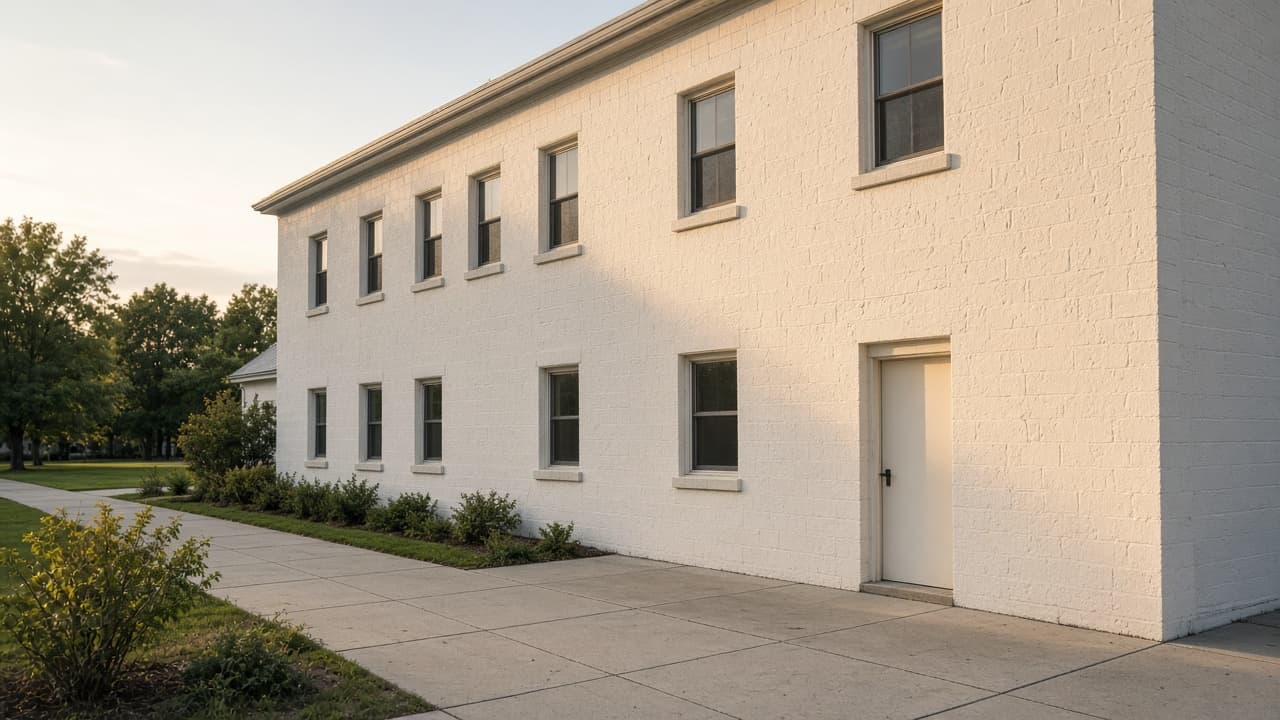
A commercial appraisal is a licensed appraiser’s opinion of value for a stated use and date. A pricing conversation is a different task: how to explain the property to a buyer.

An ALTA survey draws the land and the improvements. A title commitment lists the rights and the exceptions. Together they show whether you can use the property the way the contract assumes.
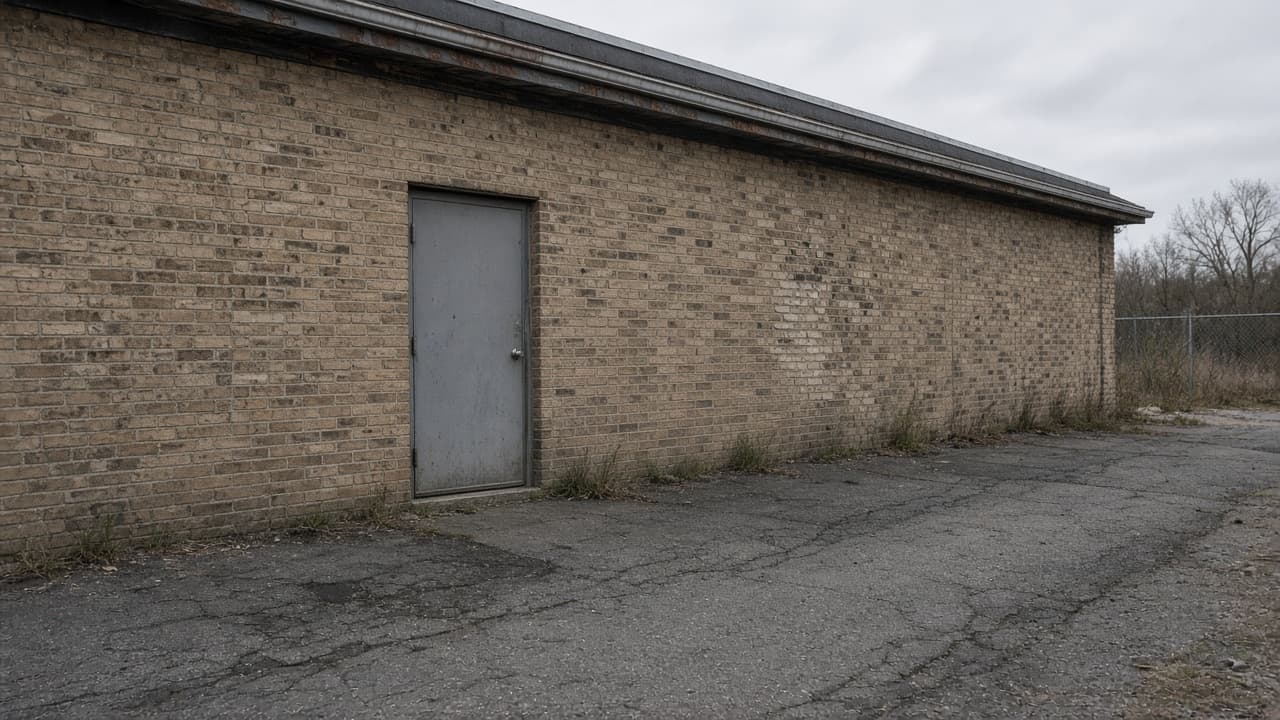
A Phase I environmental site assessment looks for signs that a property may have a contamination concern. It is a records-and-observation study by an environmental professional.
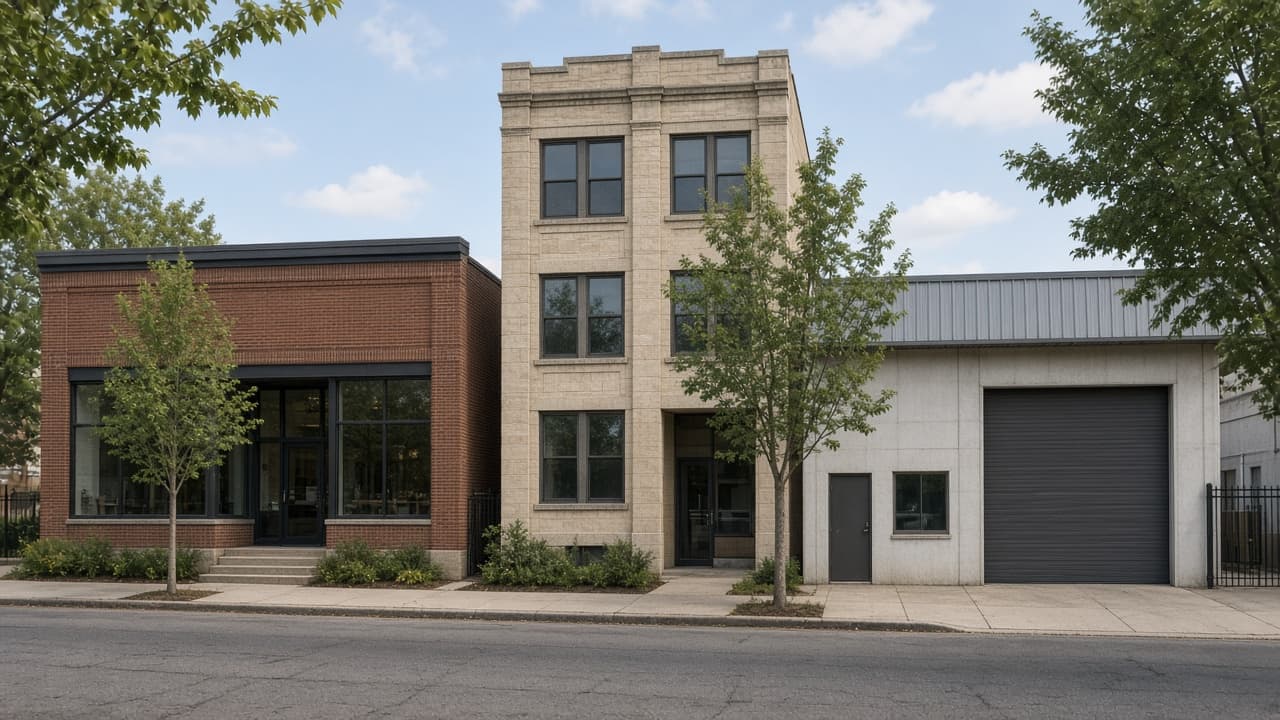
Zoning decides which uses a parcel may host, and on what physical terms. The building you like can still be the wrong building for the business you run. Confirm the rules with the government that actually has jurisdiction.
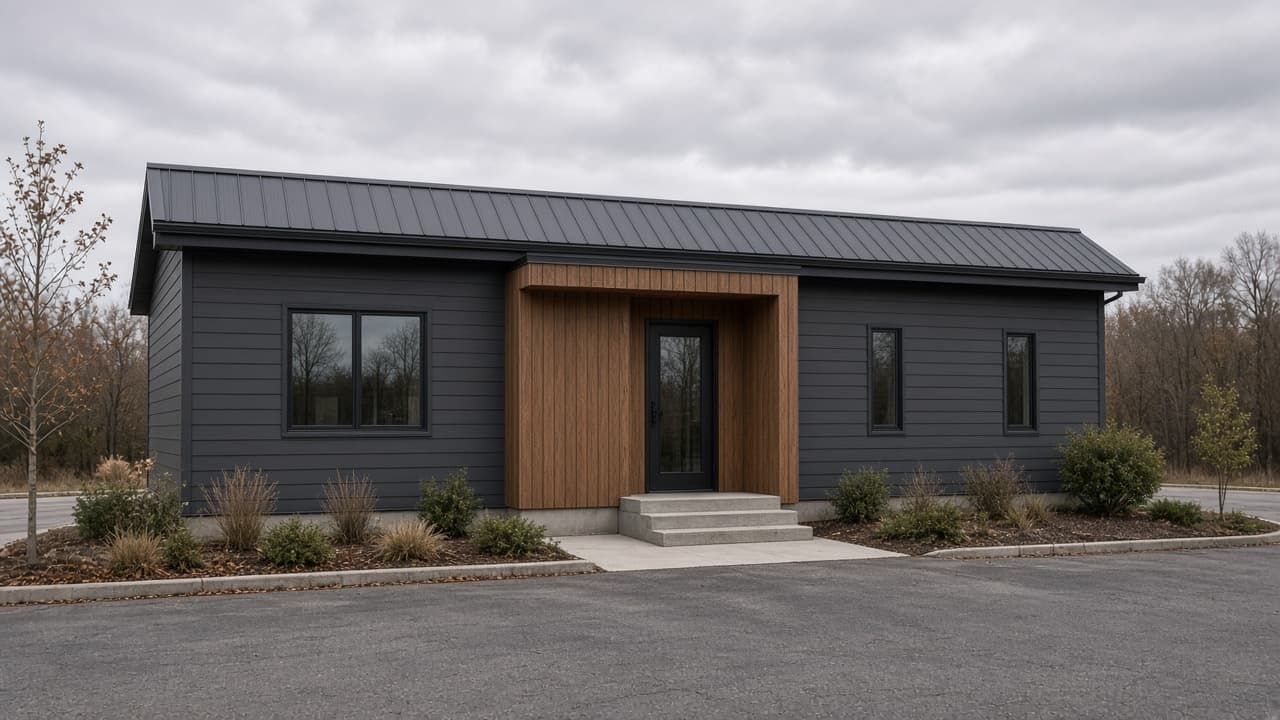
An owner-user is buying a place to operate, and also buying a property that will have to be sold or leased later. The business fit comes first. The investment math comes right after it.
A triple-net lease generally means the tenant pays base rent plus property taxes, insurance, and maintenance. The lease in your hand defines the words. Two listings that both say NNN can still describe different deals.
A commercial loan is sized from the property, the borrower, and the lender’s rules. Equity, coverage, the rate, and the maturity all move together.

Industrial buildings are tools. Clear height, doors, truck space, power, and the floor decide whether the operation fits. The brochure’s square footage does not.
Evaluate the leases first, then the income, then the debt, then the building and the way you would leave it. A single ratio is a checkpoint, not a decision.

Most commercial mistakes are skipped facts. Buyers fall in love with a ratio or a building. Sellers price the outcome they need and hand over a thin file. Both can be avoided with documents and a calendar.
Buyers move when the file matches the building. Gather what you have, label what you do not, and do not wait for a perfect archive that no property actually has.
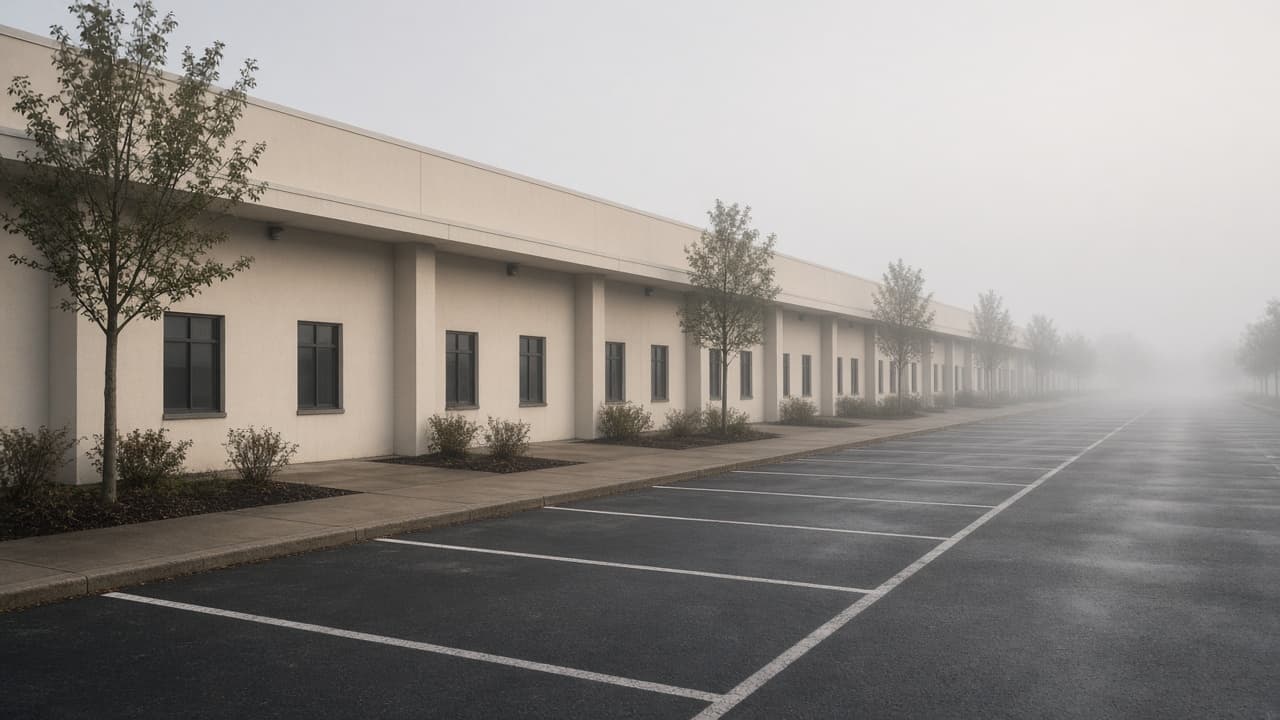
There is no average number of days that describes an Omaha sale and a Lincoln sale, or even two buildings on the same street. The calendar is the sum of the steps your property actually requires.
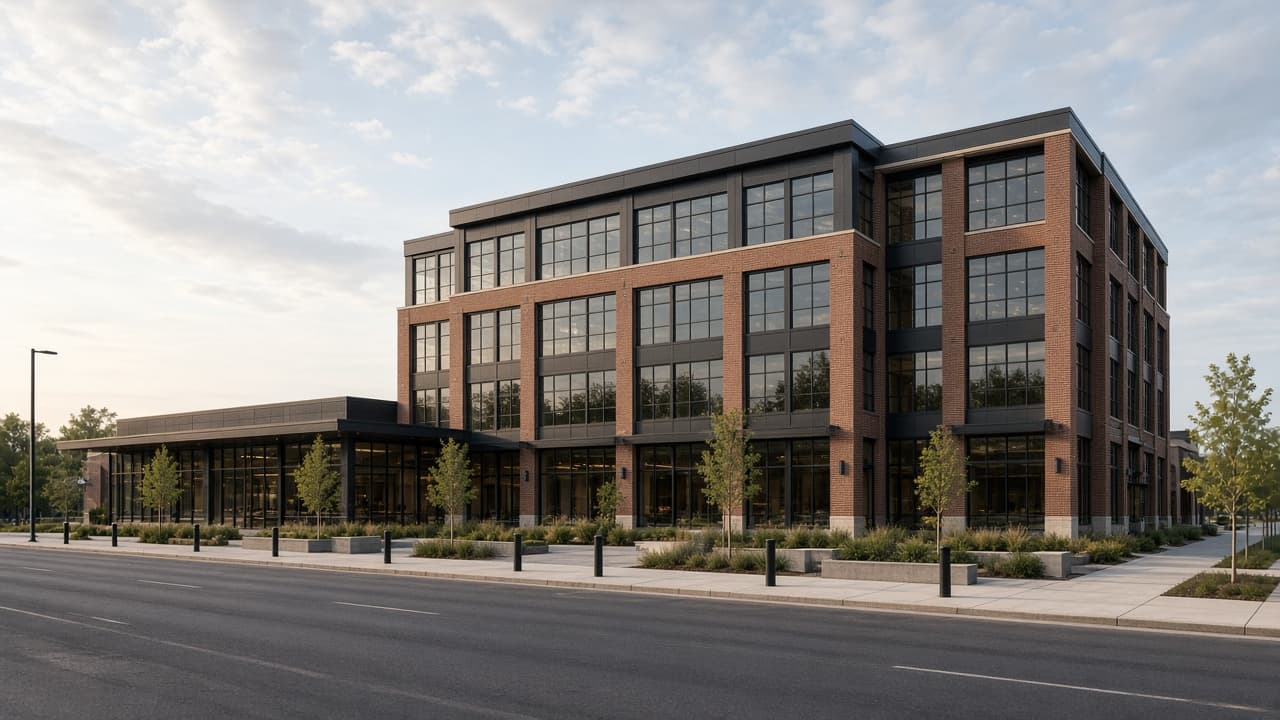
Buying in Omaha starts with a part of the metro and a use, not with a metro-wide average. Douglas County and Sarpy County do not hand you the same building, the same customers, or the same city hall.
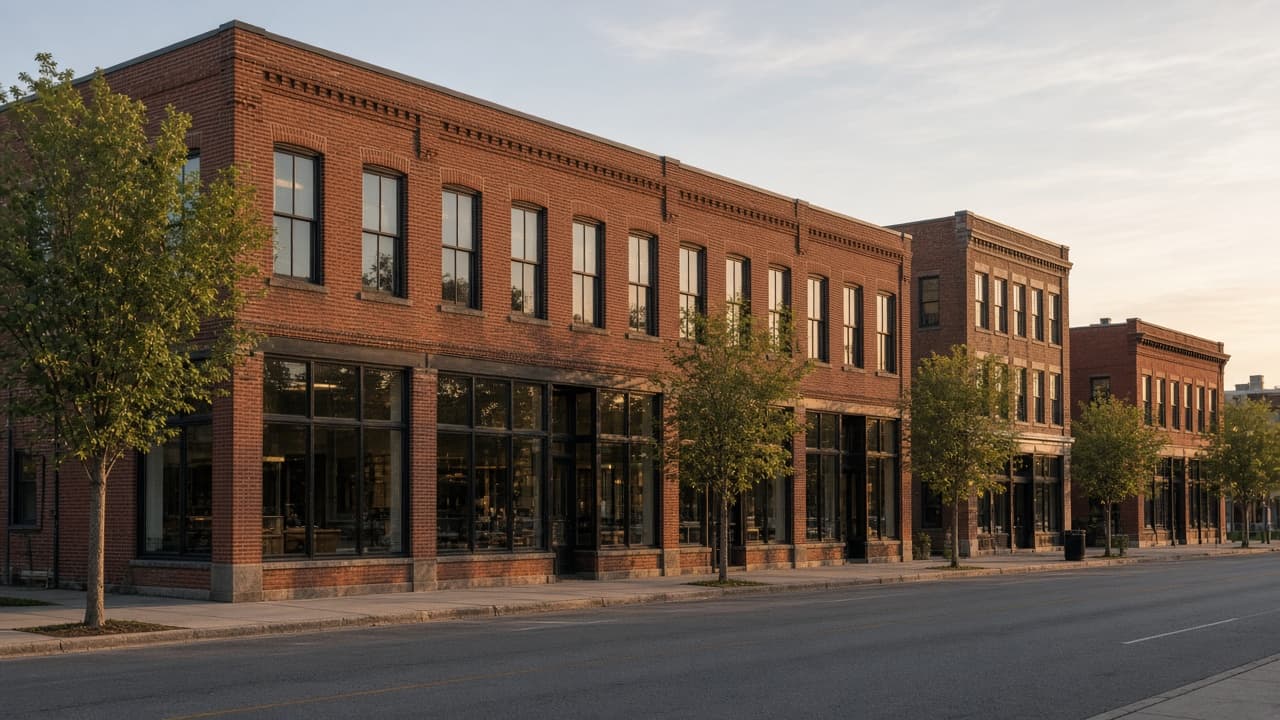
An Omaha sale goes to the buyers who can use that part of the metro. Downtown, west Omaha, and the Sarpy cities do not share a buyer pool just because they share a region.
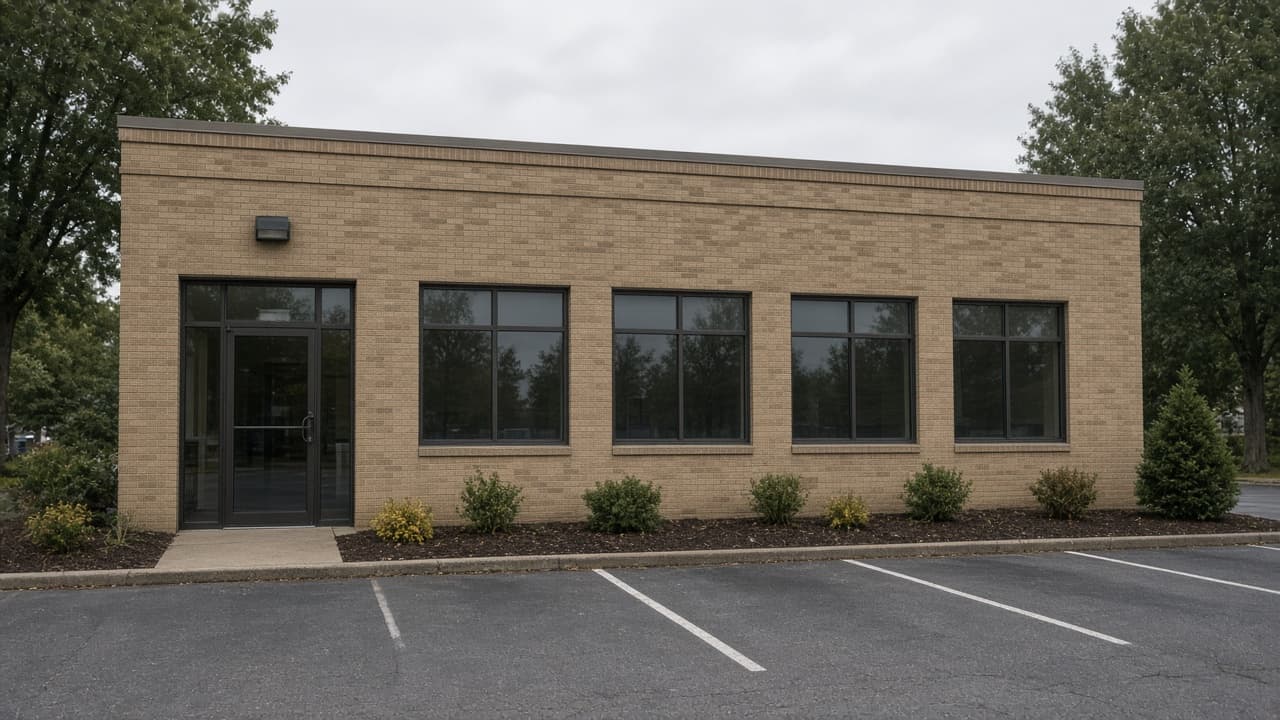
Lincoln is its own commercial market. Downtown Lincoln and the north, south, east, and west parts of the city draw different users. An Omaha comparison is not evidence until you can explain the difference.
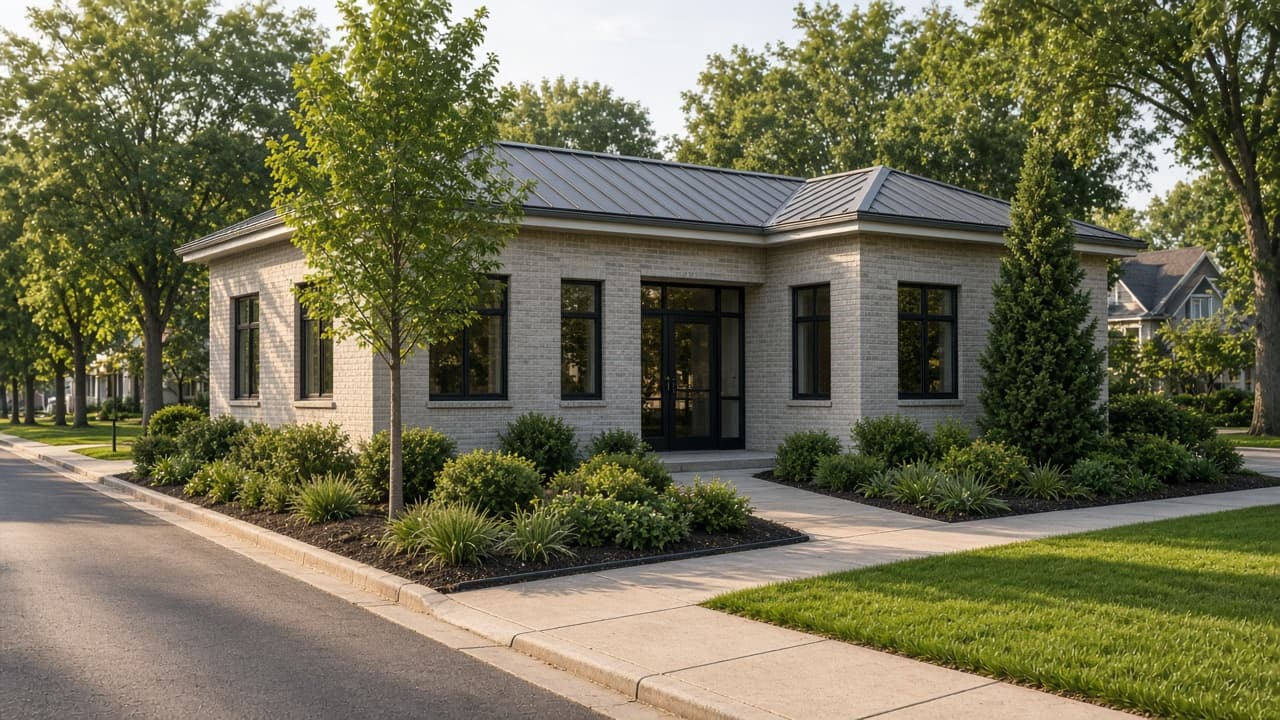
A Lincoln sale is won with a file and a price a Lincoln buyer can check. Downtown, north, south, east, and west Lincoln attract different users. None of them is priced by an Omaha average.